

Most first-time visitors to Ghana see the same places. They land in Accra, visit the Cape Coast and Elmina castles, maybe stop at Kakum, and fly home. These places matter deeply, especially for diasporans tracing their roots. But Ghana is much bigger than two cities.
If you are planning a trip for your family, church group, alumni association, or friends, this guide will show you some of the country’s best hidden gems. You will also see how to join them into one smooth, well-planned journey.
Why go beyond Accra and Cape Coast?
Accra and Cape Coast tell an important part of the story. They are places of memory, grief, and pride. But your heritage journey can also include the living culture of Ghana: the weavers, the markets, the waterfalls, the sacred traditions, and the people of the north.
When you travel beyond the usual route, you:
- See the full Ghana, not only the coast
- Meet craftmakers and communities who keep traditions alive
- Give your children and elders more than one kind of memory, some sad, some joyful
- Avoid the crowds that fill the common tourist stops
Here are four places worth adding to your plan.
1. Aburi Botanical Gardens: Cool air and calm, close to Accra
Aburi sits in the Akuapem hills in the Eastern Region. It is only a short drive from Accra, yet the air feels cooler and the pace feels slower. The gardens are full of tall trees, flowers, and green paths, and they have been a favorite for families for generations.
Aburi is also known for its craft village, where woodcarvers sell their work. It is a gentle first stop after a long flight, which makes it a good choice for groups with young children or older relatives.
Good for: Arrival day or recovery day, family photos, relaxed walks, picking up gifts.
2. Boti Falls: A waterfall with a story
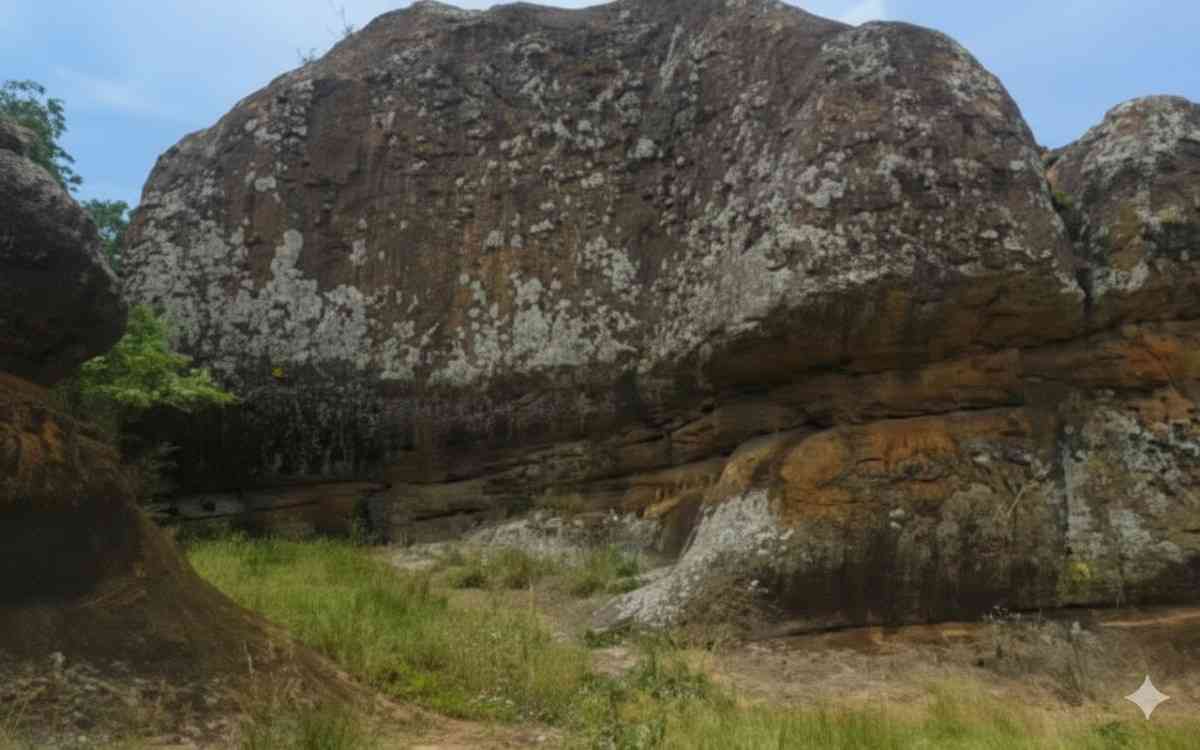
Boti Falls is in the Eastern Region, in the Yilo Krobo area. It is a twin waterfall, and local tradition speaks of the two streams as a pair. Visitors walk through forest to reach the falls. Many groups also visit the nearby Umbrella Rock, a large rock formation shaped a bit like an open umbrella.
The visit mixes nature, local stories, and light adventure. It works well in the same trip as Aburi, so you can cover both in one region.
Good for: Active families, teens, and groups who enjoy the outdoors.
Tip: Wear shoes with good grip and bring a change of clothes. The steps and paths can be slippery.
3. Bonwire Kente Weaving Village: Where the cloth is made
Many diasporans own kente or have worn it at graduations, weddings, and cultural events. At Bonwire, in the Ashanti Region, you can see how it is actually woven. The village is widely known as a home of kente weaving.
Watching the weavers at work is powerful. Narrow strips are woven by hand, then joined to make a full cloth. Each pattern and color has its own meaning, and the weavers are happy to explain.
For a heritage trip, this stop turns kente from a symbol into a story you saw with your own eyes. It also puts money directly in the hands of craftspeople.
Good for: Culture lovers, groups buying matching cloth for a reunion, and anyone who wants a meaningful keepsake.
Bonwire is easy to pair with Kumasi, the Ashanti capital, where you can explore the Manhyia Palace Museum and the big markets.
4. Paga Crocodile Pond: A unique experience in the far north
Paga is in the Upper East Region, near the border with Burkina Faso. It is famous for its sacred crocodiles, which live peacefully alongside the local community. Guides explain the traditions and beliefs connected to the pond, and visitors can learn why the crocodiles are respected.
This is not a typical tourist stop, and that is the point. A visit to the north shows you a different side of Ghana, with its own landscapes, food, architecture, and customs.
Good for: Adventurous groups, travellers who want something different, and people who want to see all of Ghana.
Tip: The north is far from Accra. Plan enough days for the journey, or consider a domestic flight for part of the route.
A sample 10-day Ghana itinerary
Many people search for a “Ghana itinerary 10 days. “Here is an example route that blends heritage, nature, and culture. We build every trip around your group, so treat this as a starting point, not a fixed plan.
Days 1 to 2: Arrive in Accra. Rest, settle in, and ease into Ghana. Visit key Accra sites such as the Independence Arch, the W.E.B. Du Bois Centre and the Kwame Nkrumah Memorial Park.
Day 3: Aburi and the Akuapem hills. Walk the botanical gardens and visit the craft village.
Day 4: Boti Falls. Enjoy the forest walk, the falls, and the local stories.
Days 5 to 6: Cape Coast and Elmina. Visit the castles and reflect on the history. Add Kakum National Park if your group enjoys the canopy walk.
Days 7 to 8: Kumasi and Bonwire. See Bonwire’s weavers, explore Kumasi’s markets, and learn about Ashanti history.
Days 9 to 10: The north, or a relaxed finish. Fly north to see Paga, or return to Accra for final shopping, a family dinner, and your flight home.
If you have more time, you can add Wli Falls and the Volta Region, or Mole National Park for wildlife.
[Internal link: Ancestral Path packages]
Planning tips for families and groups
- Decide your goal first. Is this a roots journey, a family reunion, a church trip or a mix? Your goal shapes the route.
- Think about ages and energy. Elders and small children need slower days and more rest.
- Do not pack too much in. Ghana’s roads can be slow. Fewer stops with more time at each one usually feels better.
- Choose the right season. The dry season is easier for road travel. The rainy season is green and beautiful but can slow you down.
- Travel with reliable transport. Long distances are much easier with a private vehicle and a driver who knows the roads.
- Book trusted places to stay. Good rest makes every day better.
- Use a local guide. A good guide explains what you see, opens doors, and helps you avoid common tourist traps.
- Check your entry needs early. Look at visa, health, and passport rules before you book flights.
Why a custom tour is better than a standard one
Standard tours move fast and follow a set route. They are built for the average visitor, not for your family.
A custom tour is built around you. You choose the places, the pace, and the style. You can add a naming ceremony, a visit to your family’s hometown, a meeting with local leaders, or time to volunteer. You can keep the group together or give people free time.
How Diaspora Affairs Ghana can help
Diaspora Affairs Ghana designs bespoke group and family tours for diasporans. Our Ancestral Path journeys combine the heritage sites you want to see with hidden gems like the ones in this guide.
Every trip includes:
- Private transport for your whole group
- Vetted accommodation that we have checked
- Local guides who know the history and the culture
- A route made for you, whether you have 7 days, 10 days, or more
You get a team on the ground in Ghana, so you can enjoy the trip while we handle the details.
Ready to plan your family or group journey? Contact Diaspora Affairs Ghana today and tell us who is coming, when you want to travel, and what you want to see. We will help you build the trip.