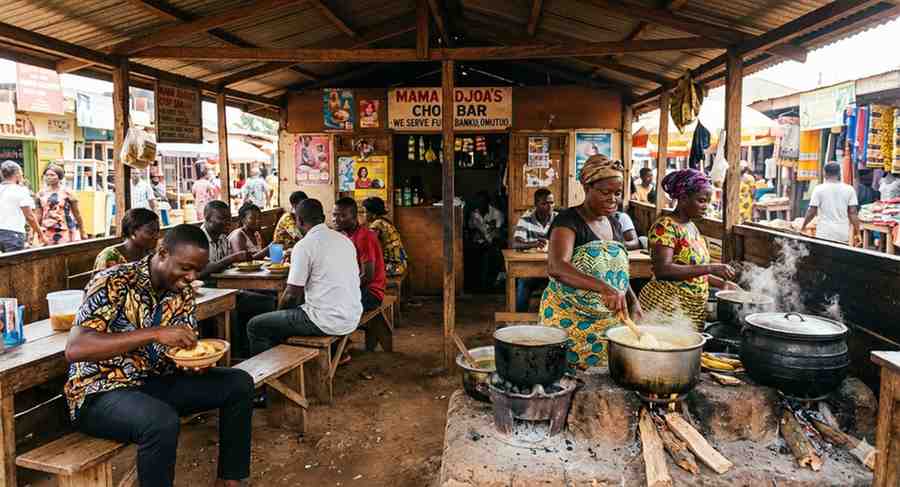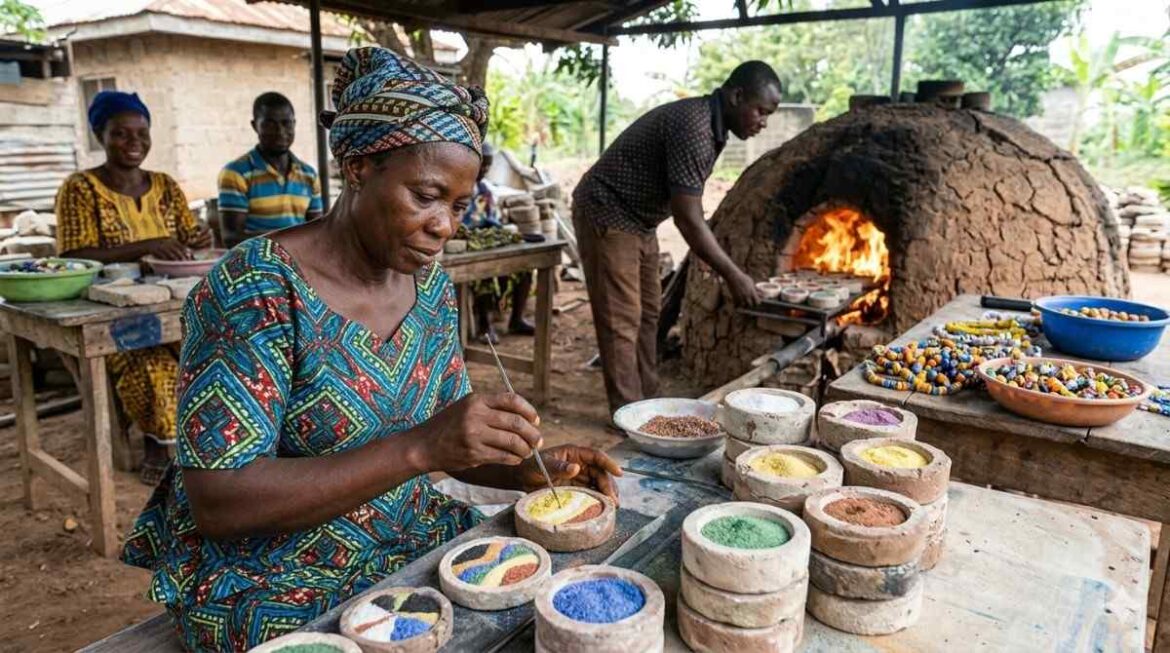


Ghana is often called the gateway to Africa. From its rich culture and welcoming people to its thriving markets, historical landmarks, and growing investment opportunities, it continues to attract tourists, diaspora returnees, and first-time visitors from around the world.
But inspiration alone is not enough.
Many travelers arrive in Ghana unprepared for the practical realities of health requirements, airport procedures, transportation issues, scams, and documentation risks that can quickly turn an exciting journey into a stressful experience.
If you are planning your first trip to Ghana, these are the five critical risks you must understand before you arrive.
1. Health Risks and Medical Requirements
One of the most important things to understand before traveling to Ghana is that the country is classified as a yellow fever risk zone.
Yellow Fever Vaccination Is Mandatory
You must have a valid yellow fever vaccination certificate before entering Ghana. Immigration officials may request to see proof upon arrival at the airport.
Do not leave this until the last minute. Some countries require the vaccine to be taken at least 10 days before travel for the certificate to become valid.
Malaria Prevention Matters
Malaria remains one of the most common health concerns for travelers visiting West Africa.
Before your trip:
- Speak with your doctor about antimalarial medication
- Pack strong mosquito repellent containing DEET
- Sleep under mosquito nets when necessary
- Wear protective clothing during evenings
Avoid Traveler’s Diarrhea
Food and water safety is essential.
To reduce your risk:
- Avoid drinking tap water
- Stick to sealed bottled water
- Eat freshly prepared hot meals
- Be cautious with street food
- Choose fruits you can peel yourself
Taking these simple precautions can prevent your trip from being disrupted by avoidable health issues.
2. Petty Theft and Money Scams
Ghana is generally considered one of the safer countries in Africa for travelers, and most Ghanaians are welcoming and helpful. However, petty theft and scams can still occur, especially in crowded areas.
Protect Your Valuables
Busy markets, transport stations, and crowded streets are common locations for pickpocketing.
To stay safe:
- Avoid displaying expensive phones, jewelry, or cameras
- Use cross-body bags worn in front
- Carry only the cash you need for the day
- Leave your passport secured in your hotel safe
Avoid Street Currency Exchanges
One of the most common mistakes travelers make is exchanging money with strangers on the street.
Instead:
- Use reputable forex bureaus
- Exchange money through banks
- Verify exchange rates beforehand
Understand Ghana’s Currency
Ghana’s official currency is the Ghanaian cedi.
Although some tourist businesses may quote prices in US dollars, paying in cedis is usually more transparent and cost-effective.
Also, remember this important cultural detail:
In many local markets, bargaining is expected. Politely negotiating prices is considered normal.
3. Transportation Challenges
Transportation in Ghana can be affordable and convenient if handled correctly.
Always Agree on Taxi Prices First
Many taxis are not metered.
Before entering a taxi:
- Confirm the fare clearly with the driver
- Avoid assumptions about pricing
- Consider using ride-hailing apps instead
Apps like Bolt and Yango offer better price transparency and accountability.
Avoid Long Night Travel
Driving outside major cities after dark can be risky due to:
- Poor road conditions
- Limited lighting
- Safety concerns on certain highways
If possible, schedule long-distance trips during daylight hours only.
4. The Biggest Risk: Documentation and Immigration Issues
This is where many first-time travelers experience avoidable problems.
Check Your Entry Stamp Carefully
At the airport, immigration officers may place your entry sticker inside your passport but forget to clearly stamp the permitted exit date.
This small mistake can create major complications later when leaving the country.
Before leaving the immigration counter:
- Verify your entry stamp is visible
- Confirm the exit date is stamped clearly
- Ensure all information is legible
Never Carry Your Original Passport Daily
Losing your passport during travel can become a nightmare.
Instead:
- Carry a photocopy of your passport
- Keep a digital copy on your phone
- Store the original securely in your hotel safe
This simple precaution can save you from major disruption.
5. Cultural Misunderstandings
Respecting local customs helps travelers avoid awkward situations and build positive experiences.
Important Cultural Etiquette in Ghana
Some simple guidelines include:
- Use your right hand when greeting or giving items
- Dress modestly when visiting religious or traditional locations
- Ask permission before taking photos of people
These small gestures demonstrate respect and are appreciated by locals.
Smart Travel Is About Preparation
Traveling to Ghana can be an incredible experience filled with culture, history, business opportunities, and personal transformation.
But smart travelers understand that preparation is part of the journey.
By managing these five key risks, you are not just preparing for a vacation. You are protecting your health, finances, legal status, and peace of mind.
For those considering long-term relocation, investment, or repatriation to Ghana, the challenges become even more complex. Land verification, legal documentation, tax compliance, immigration procedures, and due diligence require professional guidance.
At DAGh, we help travelers, diaspora returnees, and investors navigate Ghana with greater clarity, confidence, and certainty.
Safe travels, and welcome to Ghana.