
Relocating to Ghana is not just a change of scenery. For many in the diaspora, it is one of the biggest decisions they will ever make, one that touches paperwork, housing, income, and daily routine all at once. This guide walks through the practical steps involved, from the reason behind your move to the realities of settling in, so you can plan with clear eyes rather than assumptions.
Start With Your Why
Before any paperwork or house hunting begins, it helps to get specific about why you are moving. Are you relocating for employment, to start or grow a business, to retire, or to reconnect with your heritage? Each of these reasons shapes a different relocation strategy, different visa categories, different neighborhoods worth considering, and a different pace for the whole process. Getting clear on your why early makes every decision after it easier.
Visas and Residency Permits
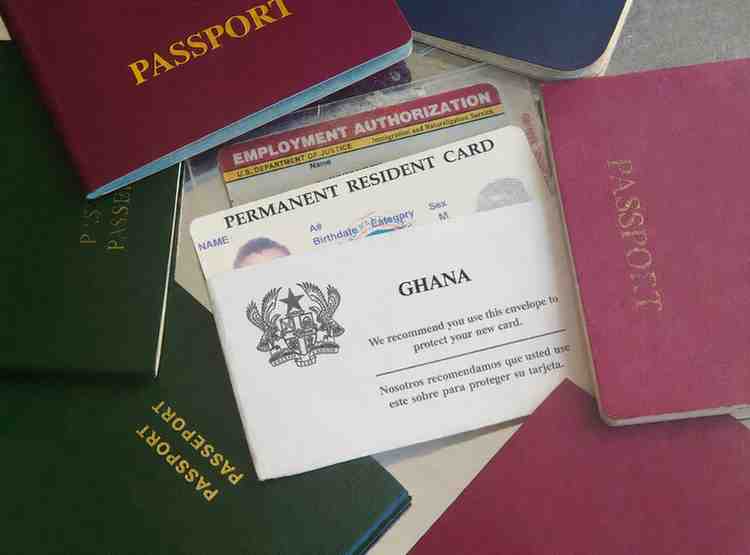
Securing the correct visa or residency permit is the foundation of a successful move, and it is also the part people tend to underestimate. There are several visa and residency categories in Ghana, and the right one for you depends on your purpose for relocating, whether that is work, business, retirement, or family connections.
Start this process well in advance of your planned move date. Requirements can be detailed and sometimes change, so it is worth verifying everything directly with Ghana Immigration Service or the Ghanaian Embassy nearest you before you finalize any plans or bookings.
If you have Ghanaian heritage, it is also worth exploring dual citizenship rather than a standard visa or residency permit. Dual citizenship can offer significant long-term benefits over a working visa or residence permit alone, including easier property ownership and long-term stability that does not need to be renewed the same way a permit does.
Finding Accommodation in Accra
Housing is usually the next major decision after paperwork, and it comes in a wide range of options, from furnished apartments for rent to purchasing land or a home outright.
- Furnished apartments are the simplest starting point for many newcomers, since they reduce the number of decisions needed in the first few months
- Renting longer term requires understanding local rental agreements and customs, which can differ significantly from what you are used to abroad
- Purchasing land or property is a bigger step, and requires real due diligence, working through reputable real estate channels, verifying documentation, and understanding average price ranges in the specific area you are considering
Whether you are renting short-term while you get settled or considering property as a longer-term investment, the same principle applies: do your homework before committing. Different areas of Accra come with their own pros and cons in terms of cost, commute, and lifestyle, so it is worth spending time in a few neighborhoods before signing anything.
Adjusting to Daily Life in Accra
Daily life in Accra runs at a different rhythm than most Western cities, and part of a successful relocation is embracing that rather than fighting it.
- Local transportation includes shared minibuses known as trotros, alongside taxis and ride-hailing apps, and learning how trotros work can save significant money once you get comfortable with them
- Market bargaining is a normal part of shopping in many settings, and getting comfortable with it is part of settling in rather than something to avoid
- Learning typical greetings and how to engage respectfully with Ghanaian culture goes a long way in daily interactions, from the market to the workplace
- The social scene in Accra is vibrant, and getting involved early helps the transition feel less isolating
Building a local network matters just as much as any paperwork. This includes both the diaspora community already living in Ghana and Ghanaians themselves, since both groups offer different kinds of support, practical knowledge for the diaspora community, and cultural and social connection through Ghanaian friends and neighbors.
Economic Opportunities and Work
For many people, relocating to Ghana is also about opportunity, not just lifestyle. Several sectors offer real growth potential for diaspora members looking to work or start a business locally.
If you are setting up a business, expect a process that involves registration, understanding sector-specific regulations, and building relationships with local partners and customers. If you are entering the job market instead, take time to understand how hiring, salaries, and workplace expectations differ from what you are used to abroad.
Banking, Mobile Money and Utilities
Day-to-day life in Ghana runs on a mix of traditional banking and mobile money, known locally as momo. Setting up a local bank account and getting comfortable with mobile money early makes everything from paying bills to splitting costs with friends far easier.
Utility providers for electricity, water, and internet also work differently than what many newcomers are used to, and understanding how billing and service requests work will save you frustration once you are settled.
Being Honest About the Challenges
Responsible relocation support does not just sell the dream; it prepares you for the reality. Common challenges include traffic congestion, especially in and around Accra, intermittent utility services such as power or water interruptions, and customer service expectations that can differ from what you are used to abroad.
None of these challenges are reasons to avoid relocating. They are simply things to plan around. Local knowledge, patience, and the right resources turn most of these hurdles into manageable inconveniences rather than major setbacks.
Planning Your Move with Confidence
The journey from wherever you are now to a life in Accra is a significant one, filled with real growth and real adjustment. With careful planning around your visa or citizenship status, housing, income, and daily logistics, relocating to Ghana can be one of the most rewarding decisions you make.
Visit Diaspora Affairs GH for more guidance on relocating to Ghana, along with our dedicated resources on dual citizenship, property investment, and building a life and business in Ghana.