

For many people in the diaspora planning to retire in Ghana, one legal status can change the entire experience: dual citizenship. Rather than entering the country on a visitor’s visa and renewing permits year after year, dual citizens step into a set of rights that make long-term life in Ghana far simpler, from land ownership to indefinite stay.
Here is what that advantage actually looks like and how to secure it.
The Legal Foundation
Ghana’s approach to dual nationality is set out in the Citizenship Act of 2000 (Act 591). This law gives returning citizens a clear legal pathway to resettle permanently in Ghana without giving up their foreign citizenship. For diaspora retirees in particular, this removes one of the biggest sources of friction in international relocation: the constant renewal of visas and residency permits.
Core Advantages for Retirees
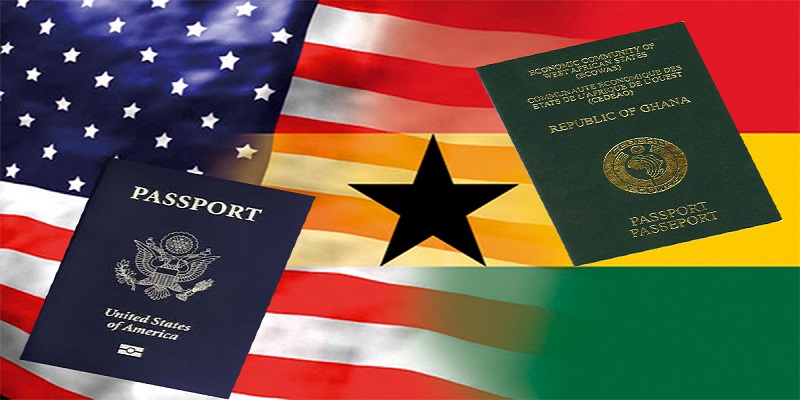
Seamless travel: Dual citizens can enter and exit Ghana without paying for visas, simply by presenting both their foreign passport and their Ghanaian passport or dual citizenship card at the border.
Indefinite stay: There is no need to track visa expiration dates or renew residency permits. Dual citizens can remain in the country permanently.
Real estate ownership: This is one of the most significant benefits for retirees. Foreign nationals are generally limited to short-term leaseholds, but dual citizens can buy and own freehold land directly in their own names.
Financial and civic rights: Dual citizens can open local bank accounts, pass property on to heirs, invest in domestic businesses, and vote in national elections.
Limited restrictions: The main restrictions apply only to a small number of high-level state security or sovereign leadership positions, such as Chief Justice, Ambassador, or Chief of Defense Staff. For the vast majority of retirees, these restrictions have no practical impact on daily life.
How the Application Process Works
The process is managed by the Ministry of the Interior in Accra, but it can be started either in Ghana or through an official overseas diplomatic mission. Broadly, it involves three stages.
1. Gathering the Required Documents
Applicants typically need:
- A completed Form 10, the official application for registration as a dual citizen, purchased from the Ministry of the Interior or a Ghanaian embassy
- Clear copies of the bio-data pages of both the foreign and Ghanaian passports
- Proof of Ghanaian descent, such as a birth certificate or the birth certificates and passports of parents or grandparents for those establishing citizenship by lineage
- A copy of any foreign naturalisation certificate, where applicable
- The names, addresses, and phone numbers of two local guarantors living in Ghana
- Several recent passport-style photographs
2. Paying the Processing Fees
Processing fees are charged for the application form and final certificate. These fees can vary depending on where the application is submitted, whether directly through the Ministry of the Interior in Accra or through a Ghanaian embassy abroad, and they are periodically adjusted. Because of this, prospective applicants should confirm the current fee schedule directly with their nearest Ghanaian embassy or the Ministry of the Interior before applying, rather than relying on older published figures.
It is also worth noting that the standard dual citizenship process is separate from any short-term or fast-track naturalization initiatives that may be offered from time to time, which typically carry a different and higher fee structure.
3. Submitting and Finalising the Application
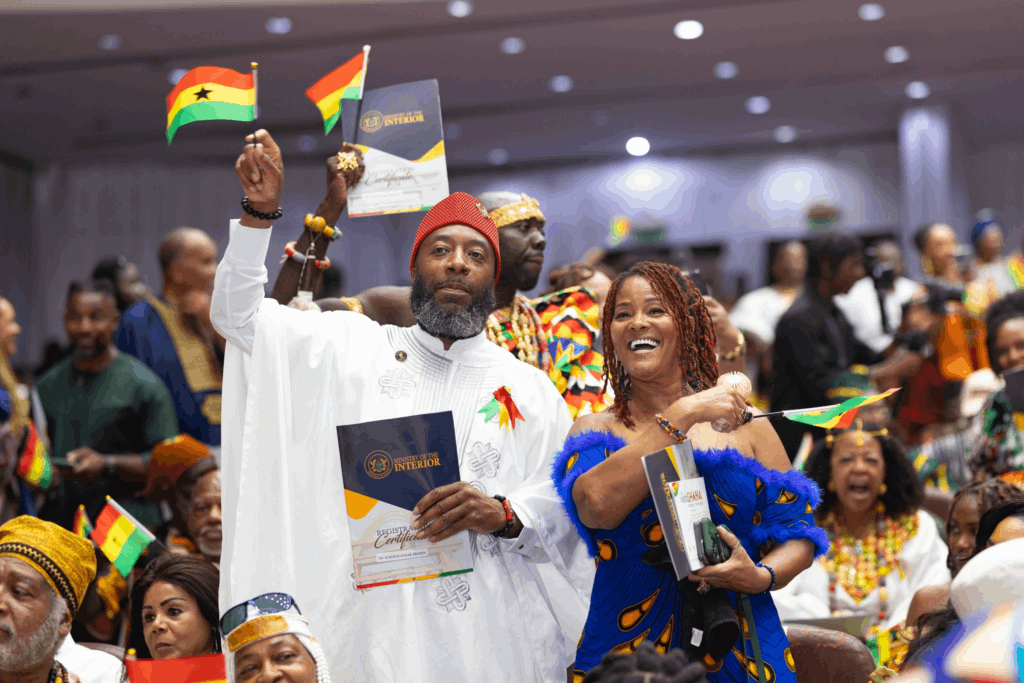
Once the completed Form 10 package is submitted, either to a local embassy or directly to the Ministry of the Interior, processing generally takes a period of weeks to a couple of months, though timelines through embassies abroad can run longer. Once approved, applicants receive a Dual Citizenship Certificate and a laminated Dual Citizenship ID Card.
One important detail to keep in mind when traveling: dual citizens must present their foreign passport to leave their host country and their Ghanaian passport or ID card upon arrival in Ghana. Attempting to swap or use the two passports interchangeably to mislead immigration officers is treated as a serious, punishable offense.
Why This Matters for Retirement Planning
For retirees weighing a permanent move to Ghana, dual citizenship removes much of the uncertainty that comes with relying on visitor status. Owning land outright, rather than leasing it, provides a stronger financial foundation for a retirement home. An indefinite stay means no anxiety about visa deadlines. And civic rights, from banking to voting, allow retirees to participate fully in the life of the country they are settling into.
Frequently Asked Questions
Do I lose my foreign citizenship by becoming a dual citizen of Ghana? No. Ghana’s dual citizenship framework under Act 591 is specifically designed to let returning citizens hold Ghanaian citizenship alongside their existing foreign citizenship.
Can dual citizens own land in Ghana? Yes. Unlike foreign nationals, who are typically limited to leaseholds, dual citizens can buy and hold freehold land directly in their own names.
How long does the application process take? Processing timelines vary, but applications are generally processed within a period of weeks to a couple of months, depending on whether they are submitted directly in Accra or through an embassy abroad.
Are there any restrictions on what dual citizens can do in Ghana? The main restrictions apply to a limited set of high-level state security and sovereign leadership positions. These do not affect daily life, property ownership, or civic participation for the majority of retirees.
Planning Your Move
Understanding the dual citizenship process is an important first step, but navigating the paperwork, guarantor requirements, and embassy-specific details can still be time-consuming to manage alone. This is exactly the kind of process where structured, professional guidance makes a meaningful difference in avoiding delays or documentation errors.
If you are exploring what a permanent move to Ghana could look like, reach out to Diaspora Affairs Ghana to learn how our team can support your relocation and citizenship journey from start to finish.
Click here to apply for dual citizenship with Diaspora Affairs Ghana.