

When you book a tour in Ghana run by a community cooperative through Diaspora affairs, you’re not just buying an experience. You’re investing directly in the livelihoods of local families, preserving traditional knowledge, and witnessing a model of sustainable tourism that’s transforming West Africa.
Ghana has emerged as a continental pioneer in community-based ecotourism, creating a framework where conservationists, tourists, and local communities benefit equally. Unlike conventional tourism where profits often flow to foreign operators, cooperative tours ensure that revenue stays within the communities that protect these cultural and natural treasures.
How Community Cooperatives Work
Community cooperatives in Ghana operate on principles of shared ownership and democratic governance. Local residents collectively manage tourism sites, make decisions about visitor experiences, and distribute benefits among members. This model has produced some of the country’s most authentic and successful tourism ventures.
The Boabeng-Fiema Monkey Sanctuary pioneered this approach in 1995 and remains the flagship for over two dozen community-based tourism projects nationwide. What makes these cooperatives unique is their dual mission: protecting Ghana’s natural and cultural heritage while providing sustainable income for rural communities.
Sacred Sites and Living Traditions
Many cooperative-run sites blend conservation with centuries-old spiritual traditions. At Tafi Atome Monkey Sanctuary in the Volta Region, Mona and Patas monkeys are considered sacred by local communities. Traditional beliefs have protected these primates for generations, and now community members serve as guides, sharing both ecological knowledge and cultural stories with visitors.
The Wechiau Community Hippo Sanctuary in the Upper West has earned international recognition for balancing wildlife protection with community development. Local guides lead boat tours along the Black Volta River, where hippos surface at dawn and dusk, while explaining how cooperative management has reversed decades of population decline.
Beyond Wildlife: Cultural Immersion
Community cooperatives offer more than nature experiences. In Sirigu, Upper East Region, the women’s pottery cooperative welcomes visitors into homes adorned with intricate wall paintings passed down through generations. Women artisans demonstrate traditional pottery techniques, and visitors can try their hand at creating pieces using methods unchanged for centuries.
The Domana Rock Shrine near Kakum National Park provides another dimension of cultural tourism. Local guides lead visitors through forest trails to sacred sites, explaining traditional religious practices and the role these shrines play in community life.
Economic Impact That Matters
Research shows that community-based ecotourism significantly improves local livelihoods. Revenue from cooperative tours funds infrastructure development, educational programs, and healthcare access. In Sirigu, tourism income has supported literacy classes for women and provided steady employment where few alternatives existed.
Perhaps more importantly, cooperatives have shifted local attitudes toward conservation. Where communities once viewed wildlife as competition for resources, they now recognize animals and natural areas as valuable assets worth protecting. Farmers near protected areas are planting new trees rather than clearing forests, fundamentally changing land use patterns.
The Ancestral Heritage Tours Experience
For members of the African diaspora, community cooperatives offer particularly meaningful experiences through ancestral heritage tourism. Organizations like Diaspora Affairs Ghana have developed tours that connect visitors with their roots through locally-guided experiences.
The Ancestral Heritage Tours program emphasizes several key benefits for diaspora visitors. Participants gain insights into the transatlantic slave trade and Ashanti Kingdom history from guides whose ancestors lived these experiences. The tours create opportunities to experience contemporary Ghanaian culture while learning about historical connections. Perhaps most importantly, they facilitate community building among African Americans exploring their heritage together.
Tour packages range from short immersive experiences to extended journeys, with pricing designed to ensure local communities benefit directly from diaspora tourism while remaining accessible to a wide range of visitors.
Practical Considerations
When choosing a community cooperative tour, research suggests looking for operations with:
Community ownership and governance: Ensure local residents actually control decision-making and benefit distribution, not external operators using “community-based” as a marketing term.
Fair benefit sharing: Ask how tourism revenue is distributed. Legitimate cooperatives transparently explain their economic models.
Cultural sensitivity: The best cooperative tours educate visitors about local customs and expectations, creating mutually respectful encounters.
Conservation outcomes: Community tours should demonstrate clear environmental or cultural preservation results, not just economic benefits.
Planning Your Community Cooperative Tour
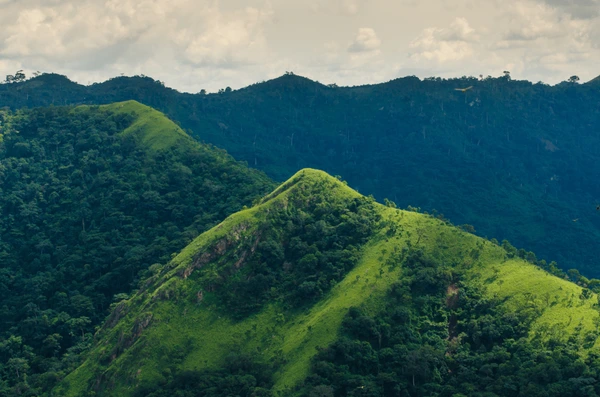
Ghana’s Volta Region hosts the country’s highest concentration of community-based ecotourism sites and offers excellent opportunities for hiking, rambling, and mountain biking alongside cultural experiences. The region’s topographic diversity supports everything from mountain sanctuaries to wetland explorations.
For travelers interested in authentic cultural exchange and meaningful impact, community cooperative tours represent tourism at its best. Your visit directly supports conservation, preserves traditional knowledge, and provides income for communities that have protected Ghana’s treasures for generations.
When you sit with village elders hearing oral histories, watch artisans demonstrate centuries-old crafts, or follow a local guide through sacred forests, you’re experiencing Ghana through the eyes of those who know it best. That perspective transforms tourism from consumption into genuine cultural exchange, creating memories that last a lifetime while building a more sustainable future for Ghana’s communities.