

This is Ghana’s aural heritage, a sonic landscape that has shaped the daily rhythms of life for centuries. For diaspora travelers seeking more than entertainment, these “silent” sounds offer something profound: a pathway to healing, reconnection, and a deeper understanding of ancestral roots.
Introduction: Beyond the Noise
Ghana has become synonymous with celebration. “Detty December” draws thousands of diaspora visitors each year to Accra’s vibrant nightlife, beach parties, a
nd star-studded concerts. But beneath the bass drops and festival crowds lies another Ghana entirely: one of gentle waves lapping against Elmina’s shores, the rustle of palm fronds in coastal breezes, and the rhythmic calls of fishermen at dawn.
The Rise of Quiet Tourism in Ghana
Quiet tourism, a growing movement that prioritizes restorative experiences over high-energy activities, is finding fertile ground in Ghana. While global travelers have flocked to meditation retreats in Bali or silent hikes in Iceland, the African diaspora is discovering that their own ancestral homelands offer equally transformative soundscapes.
Ghana’s tourism sector has taken notice. The Ghana Tourism Authority, alongside various heritage organizations, has been developing programs specifically designed for diaspora visitors who want to move beyond surface-level tourism. These initiatives recognize that for many African Americans, Afro-Caribbeans, and Black people from across the diaspora, visiting Ghana isn’t just a vacation. It’s a pilgrimage, a homecoming, and often, a journey toward healing generational trauma.
Soundscapes of Connection: Ghana’s Aural Treasures
The Fante Fishermen of the Central Coast
Before sunrise on Cape Coast, long before tourists arrive at the castle’s somber dungeons, a different kind of history unfolds. Fante fishermen push their brightly painted canoes into the Atlantic, their work songs cutting through the morning mist. These aren’t performances for visitors but living traditions, passed down through generations.
The songs serve practical purposes: coordinating the hauling of nets, signaling the presence of fish, maintaining rhythm during long hours at sea. But they’re also vessels of cultural memory, carrying melodies and call-and-response patterns that echo across the Atlantic to the work songs of enslaved Africans in the Americas.
Sitting on the shore at dawn, listening to these songs blend with the percussion of waves and the calls of seabirds, many diaspora visitors report feeling an inexplicable recognition. It’s not nostalgia for a place they’ve never been, but something deeper: cellular memory, perhaps, or the resonance of shared ancestry.
The Spiritual Whispers of Ankasa Forest
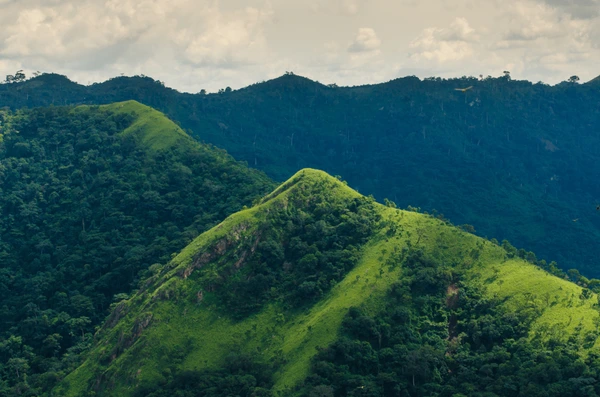
In Ghana’s southwestern corner, the Ankasa Conservation Area represents one of West Africa’s last remaining tracts of pristine rainforest. Here, the soundscape operates on a different frequency entirely. The dominant sound is rustling: millions of leaves moving in humid breezes, creating what locals call “the forest’s breathing.”
But listen closer. The forest reveals layers: the distant calls of hornbills, the buzz of insects forming a constant drone, the occasional crash of a monkey moving through the canopy. During the rainy season, the percussion of droplets hitting leaves at different heights creates a symphony that can last for hours.
For many visitors, particularly those from urban environments in the diaspora, the forest’s soundscape offers something rarely experienced: true quiet. Not silence, but the absence of human-made noise. Psychologists studying nature therapy have found that these natural soundscapes can reduce cortisol levels, lower blood pressure, and create conditions for deep introspection.
Several tour operators now offer “sound bathing” experiences in Ankasa, where participants simply sit and listen, allowing the forest’s rhythms to recalibrate their internal stress responses.
The Volta River’s Rhythmic Lullaby
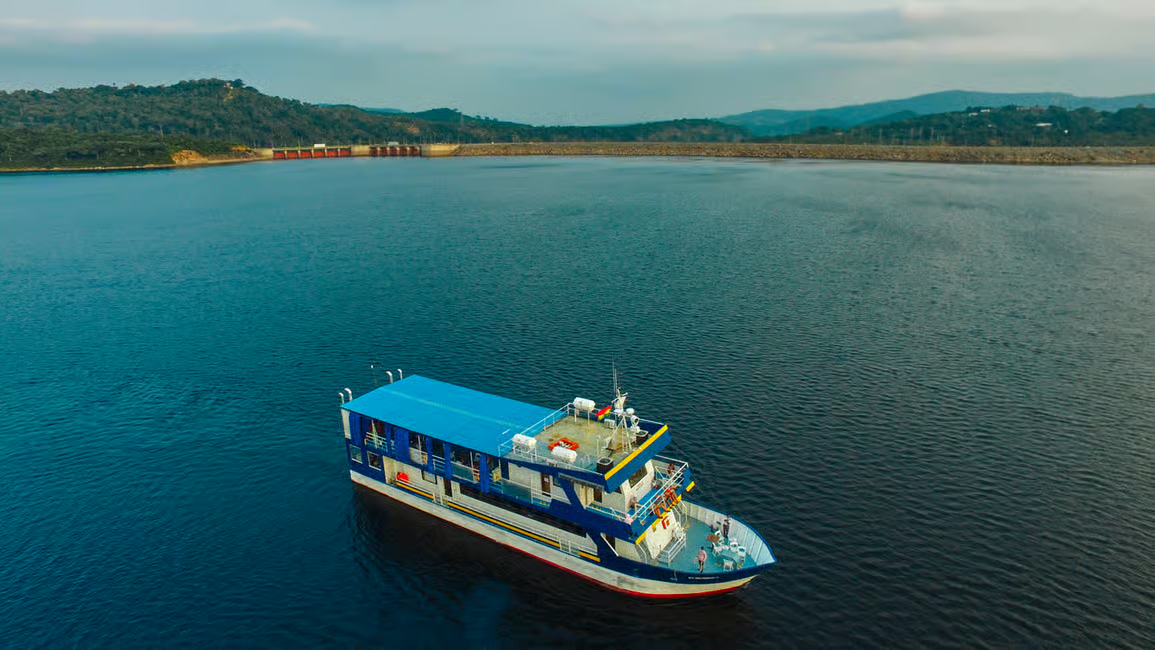
The Volta River, one of Ghana’s defining geographical features, creates its own distinctive soundscape. At the river’s edge in communities like Akosombo and Kete Krachi, daily life moves to the water’s rhythm.
There’s the gentle lapping of water against fishing boats, the splash of women doing laundry on the banks, and the unique sound of the river ferries, their engines creating a low hum that announces arrivals and departures. In the evenings, the river becomes quieter, and you can hear the calls of fishermen to each other across the water, their voices carrying in the cool air.
For diaspora visitors, particularly those whose ancestors were transported across water during the Middle Passage, there’s often complex emotion tied to rivers and oceans. Some tour operators have recognized this and created intentional experiences: quiet boat rides at sunset, opportunities to perform personal rituals of remembrance, or simply time to sit with the water and whatever feelings arise.
Diaspora Advocacy and Ghana’s Ancestral Heritage Tours
Ghana’s “Year of Return” in 2019 marked a turning point in how the country approached diaspora tourism. The initiative, commemorating 400 years since the first enslaved Africans arrived in Virginia, brought over 750,000 diaspora visitors to Ghana. But it also sparked important conversations about what diaspora travelers truly need from their ancestral homeland.
Beyond Generic Tourism
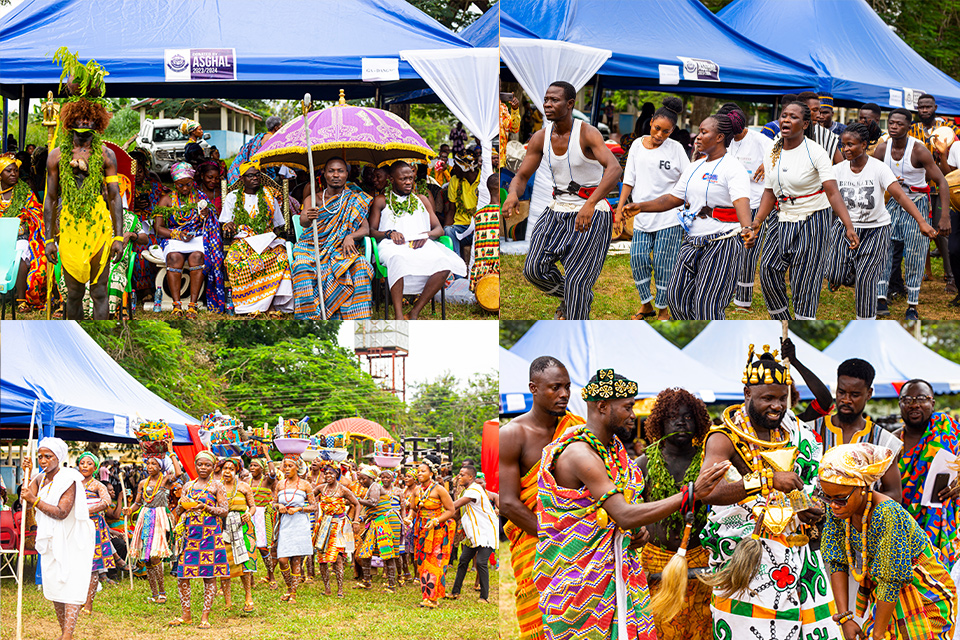
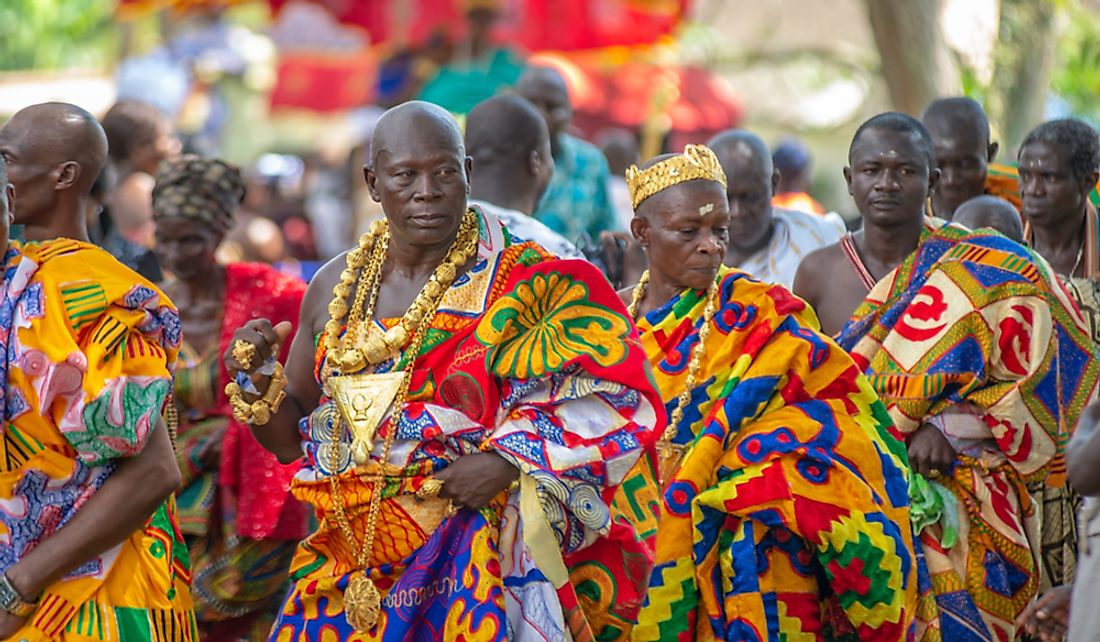
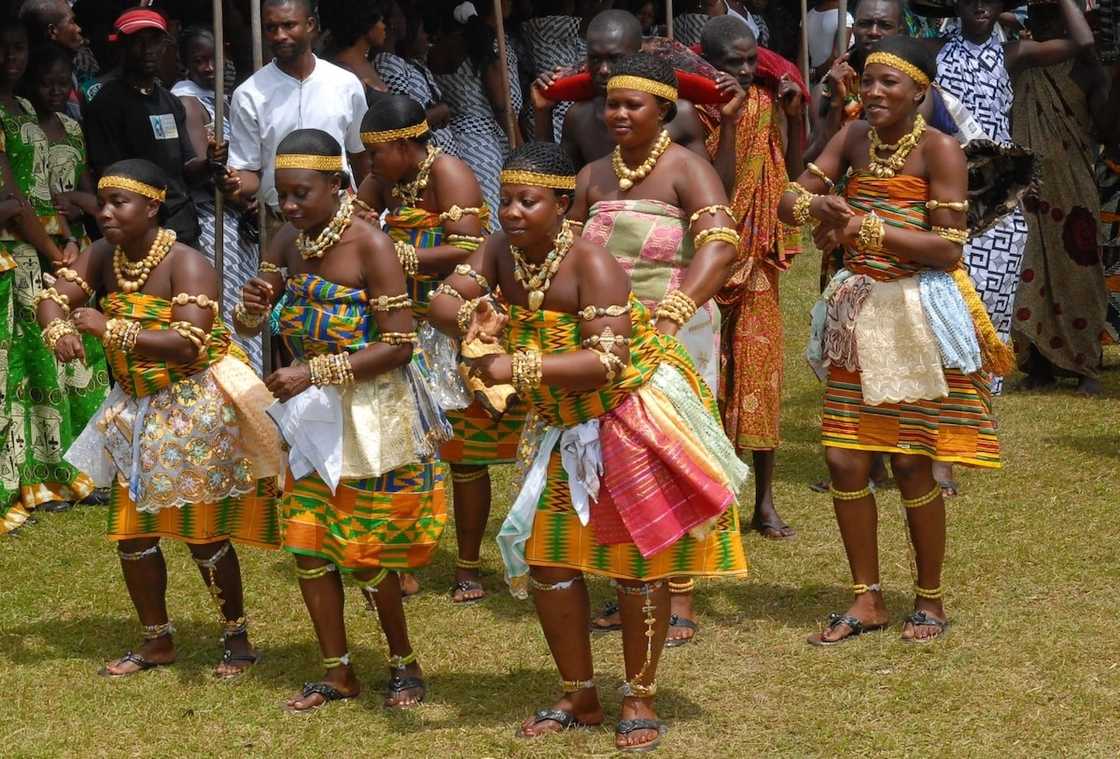
Organizations like the Diaspora Affairs division of the Office of the President, the Pan-African Historical Theatre Festival (PANAFEST), and various grassroots heritage groups have been advocating for tourism experiences that honor the depth of the diaspora’s connection to Ghana. This means moving beyond checkboxes (visit the castle, see the door of no return, buy kente cloth) to create space for emotional processing, spiritual connection, and authentic cultural exchange.
The African Diaspora Heritage Trail, established with support from UNESCO, represents one such effort. While it includes historical sites, it also emphasizes living culture: opportunities to learn traditional crafts from master artisans, participate in community festivals, and spend time in rural villages where ancient practices continue.
Personalizing Your Quiet Heritage Experience
One of the most significant developments in Ghana’s heritage tourism sector is the move toward personalized itineraries. Recognizing that diaspora visitors come with different needs, interests, and ancestral connections, many tour operators now offer customizable experiences.
Options for Personalization
Artistic and Musical Immersion: Musicians and artists from the diaspora can arrange to study with Ghanaian masters, learning not just techniques but the cultural contexts and daily rhythms that shape artistic expression. This might mean waking early to hear the sounds that inspire a particular drumming pattern or spending evenings listening to storytellers.
Nature and Wellness Retreats: For those specifically seeking the restorative power of quiet, tours can emphasize Ghana’s natural spaces: the Mole National Park, the Wli Waterfalls, the Boabeng-Fiema Monkey Sanctuary. These can be combined with yoga, meditation, or simply unstructured time in nature.
Genealogy-Focused Journeys: Some visitors work with genealogists before their trip to trace family origins to specific Ghanaian regions or ethnic groups. Tours can then be personalized to include visits to these areas, meetings with community elders, and participation in local ceremonies.
Practical Guidance for Sound-Focused Travel
Best Times for Quiet Experiences
Dry Season (November to March): Offers the most comfortable weather for outdoor listening experiences, though this is also peak tourist season. Early mornings and weekdays tend to be quieter.
Rainy Season (April to October): Fewer tourists mean less crowded historical sites. The rain itself becomes part of the soundscape, and forests are at their most lush and sonically active.
What to Bring
High-quality earplugs might seem counterintuitive but can help filter out unwanted noise (traffic, generators) while allowing natural sounds through. A journal for processing emotions and observations becomes essential for many visitors. Comfortable, quiet clothing (avoid synthetic fabrics that rustle) helps you move through spaces without disrupting the soundscape. Consider a simple audio recorder if you want to capture sounds, though always ask permission in cultural or spiritual settings.
Practicing Respectful Listening
Remember that the soundscapes you’re experiencing are part of people’s daily lives, not performances. In religious or spiritual spaces, silence may be more appropriate than active listening or recording. Always ask before recording people’s voices, songs, or ceremonies. Consider that your presence changes the soundscape, particularly in quiet natural settings.
Healing Through Heritage
The silent sounds of Ghana offer diaspora travelers something increasingly rare in our noisy world: the opportunity to truly listen. To hear not just with ears but with ancestral memory. To find, in the rhythm of waves or the breath of forests, a connection to roots that were violently severed but never fully broken.
This isn’t about romanticizing Ghana or any part of Africa. Modern Ghana has traffic jams, construction noise, and all the sounds of a developing nation. But threaded through the contemporary soundscape are older rhythms, unchanged patterns that connect present to past.
For diaspora travelers carrying the weight of displacement, these sounds can be medicine. They remind us that while history cannot be undone, connection can be restored. That while ancestors were stolen away, their cultural DNA persists in sounds, rhythms, and patterns that feel like coming home.
Ghana’s quiet heritage isn’t about silence. It’s about discernment: learning which sounds carry meaning, which rhythms connect us to something larger than ourselves, and how listening deeply can be an act of healing.
Whether you spend a week or a year, whether you trace specific genealogy or simply follow your spirit, Ghana’s soundscapes are waiting. They’ve been waiting for centuries, holding the rhythms of home, ready to remind diaspora children that they were always meant to return.