
Relocating to Ghana as a family is one of the most rewarding decisions in the diaspora journey and also one of the most complicated. When you move alone, you are managing one set of documents and one adjustment period. When you move with children, you are managing school enrollment, housing that works for the whole household, legal status for every family member, healthcare access, and the emotional weight of helping your kids feel at home in a country that may be new to them even if it is ancestral to you.
Start With Legal Status for the Whole Family, Not Just Yourself
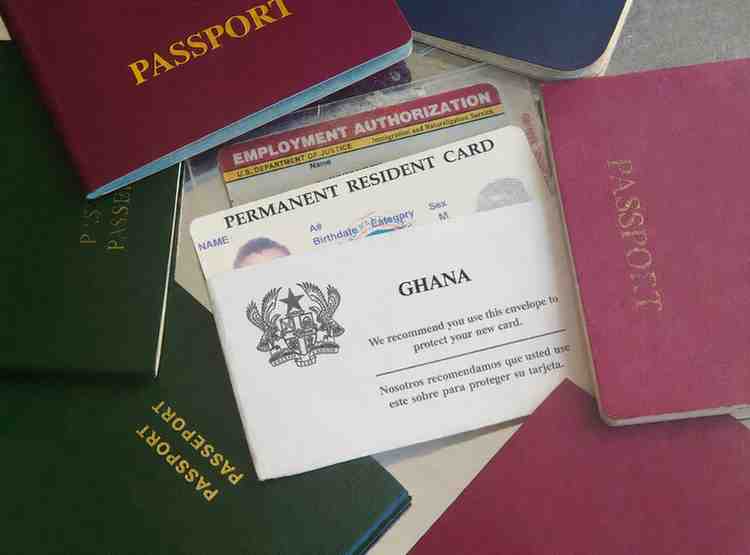
Before schools and housing even enter the picture, most experienced returnees will tell you the same thing: sort out legal status first. Your children’s ability to enroll in certain schools, access public healthcare, and stay in Ghana long-term without visa renewals depends heavily on what legal status they hold.
Ghana permits dual citizenship, and many diaspora families choose to pursue it for their children as well as themselves. Dual citizenship gives your family the right to own land, start a business, and stay in Ghana indefinitely without the visa restrictions that visiting foreign nationals face. For families with Ghanaian ancestry, this is often the most stable long-term option, and it typically requires proof of descent, government fees, and a multi-step vetting process handled through the Ministry of the Interior.
If dual citizenship is not the right fit yet, a resident permit is usually the next step. A resident permit is the legal foundation for staying in Ghana long-term while you work through citizenship options, and for families this often depends on one parent’s employment, marriage to a Ghanaian citizen, or dependent status tied to a permit holder.
Diaspora Affairs Ghana supports families through all of these pathways:
- Our Dual Citizenship & Resident Permit service walks you through eligibility, documentation, and the vetting process for both you and your dependents.
- Our Visa Extension service helps families already in Ghana avoid falling out of status while longer-term applications are processed.
Getting this piece right early prevents a common and costly mistake: enrolling children in a school or signing a lease before confirming how long the family is legally permitted to stay.
Choosing a School in Ghana
Once legal status is on track, school choice is usually the next major decision, and it shapes almost everything else, including where you live.
Ghana has a genuinely wide range of educational options:
- International schools following British, American, or International Baccalaureate curricula, concentrated mostly in Accra, Kumasi, and a handful of other major cities. These are popular with families who expect to move again or want their children’s education to transfer smoothly abroad.
- Private Ghanaian schools, which vary widely in cost and academic focus, and often provide a strong middle ground between international curricula and full local immersion.
- Public schools, which are far more affordable and give children deeper exposure to Ghanaian peers, language, and culture, though facilities and class sizes vary by district.
Families weighing these options should think through a few practical questions:
- Will your children need to transfer back into a school system abroad later? If so, curriculum continuity matters more than it might otherwise.
- How important is cultural and language immersion to your relocation goals? Some families specifically want their children building fluency in Twi or another local language and deep peer relationships with Ghanaian classmates, which points toward private or public Ghanaian schools rather than international ones.
- What is your realistic annual budget for tuition? International school fees in Ghana can be substantial, and they should be planned for well before you commit to a lease near a specific school.
- How far are you willing to commute? Traffic in Accra in particular can turn a short distance into a long daily commute, which is why many families choose housing location based on school proximity first.
Talking to other diaspora families who have already placed children in Ghanaian schools, ideally before you arrive, will save you months of guesswork.
Finding Housing That Actually Works for a Family
Housing decisions for families in Ghana usually come down to three variables: proximity to school and work, safety and neighborhood infrastructure, and cost.
Gated estates and compound housing are popular with returnee families because they offer built-in security, shared amenities, and a ready-made community of other families, often including other diaspora households going through the same adjustment. Standalone homes offer more space and privacy but usually require more independent vetting of the neighborhood, utilities, and security arrangements.
Whichever direction you go, the single most important step is due diligence on the property itself. Land and tenancy disputes remain one of the most common and financially painful problems diaspora families encounter in Ghana, frequently because a lease or purchase agreement was signed without verifying the title, checking for multiple claims on the land, or confirming the seller’s legal right to transact. This is not a step to skip, no matter how trustworthy an agent or landlord seems.
Diaspora Affairs Ghana’s Property & Land Title Due Diligence service exists specifically for this. Our team verifies land titles, checks for competing claims, and acts as an on-the-ground legal proxy so you are not signing anything sight unseen or relying entirely on the other party’s paperwork.
For families who want the entire move, not just the property piece, handled with expert guidance, our Full Relocation Counselling service covers the logistics end to end: housing search support, moving and shipping guidance, and coordination across the legal, financial, and administrative pieces of your relocation so you are not managing five different vendors and processes on your own.
The Social and Emotional Side: Helping Kids Actually Adjust
Schools and housing solve the logistics. They do not automatically solve the social side of relocation, and this is the part families most often underestimate.
Moving countries is disruptive for children at any age. Even kids who are excited about the move can struggle in the first few months without a peer group, familiar routines, or activities to look forward to. Parents are often so consumed with enrollment paperwork and lease negotiations that they realize months later their children have no local friends and no outlets outside of school.
Building that social landing pad deliberately, rather than hoping it happens organically, makes a measurable difference in how quickly children settle in.
One resource many diaspora families overlook is heritage and cultural immersion programming. Diaspora Affairs Ghana’s Ancestral Heritage Tours give families a structured way to explore Ghanaian history, culture, and community together, which can be a powerful bonding experience for children who are still forming their sense of belonging in a new country. Tours like these also connect families with other diaspora households, building the kind of community that turns a stressful transition into a shared experience rather than an isolating one.
How Membership Support Ties All of This Together
Handling legal status, schools, housing, and social integration separately, through different vendors, agents, and one-off consultations, is exhausting and expensive. This is exactly why Diaspora Affairs Ghana built structured membership plans around the realities of family relocation rather than treating each piece as a standalone transaction.
The Flexible Family membership plan is built specifically for on-ground, multi-person households settling into life in Ghana with dependents. It includes support tailored to your household’s size and needs, school tracking assistance, domestic settling guidance, and access to a children’s social club, with dependents covered up to age 25. Rather than researching schools, housing, and social activities separately, Flexible Family gives your household one coordinated point of support across all three.
For families who are already living in Ghana full time and are further along in the settling process, the Sankofa Settled plan focuses on the practical, day-to-day side of being on the ground: Ghana Card concierge tracking, bank account verification setup, visa and citizenship pathway support, internal legal counseling, and entry into the DAGh Social Club, which is itself a strong source of community for both parents and children.
A Realistic Way to Plan Your Move
If you are early in the planning process, here is a reasonable order of operations for a family relocation to Ghana:
- Confirm legal status first. Determine whether dual citizenship, a resident permit, or an extended visa is the right pathway for your family, using our Dual Citizenship & Resident Permit and Visa Extension services as needed.
- Shortlist schools based on curriculum, budget, and how much cultural immersion you want for your children.
- Choose housing around your school shortlist, and never skip due diligence on the property itself through a service like our Property & Land Title Due Diligence guide.
- Build in social and cultural touchpoints early, whether through heritage tours, a children’s social club, or community events, rather than waiting for your kids to find their footing on their own.
- Get structured, ongoing support through a membership plan rather than managing each piece as a separate, one-off transaction.
Moving to Ghana with children is a major undertaking, but it is one that thousands of diaspora families have completed successfully, often with far less stress than they expected once they had the right support system in place.
Ready to see which plan fits your family? Compare the Flexible Family and Sankofa Settled plans, along with our full range of membership tiers, on the membership plans page.