

Ghana has a reputation for being one of West Africa’s most welcoming and stable countries. But if you are planning to visit, relocate, or return from the diaspora, one of the first questions on your mind is probably: is Ghana expensive?
The honest answer is that it depends entirely on where you are coming from, how you choose to live, and which part of the country you settle in. For someone arriving from the United States, the United Kingdom, or Canada, Ghana can feel very affordable. For someone relocating from within Africa on a local salary, costs can feel surprisingly high, especially in Accra.
This guide breaks down the real cost of living in Ghana so you can plan with clear eyes before you arrive.
The Short Answer: Ghana Is Affordable, But Accra Is Not Cheap
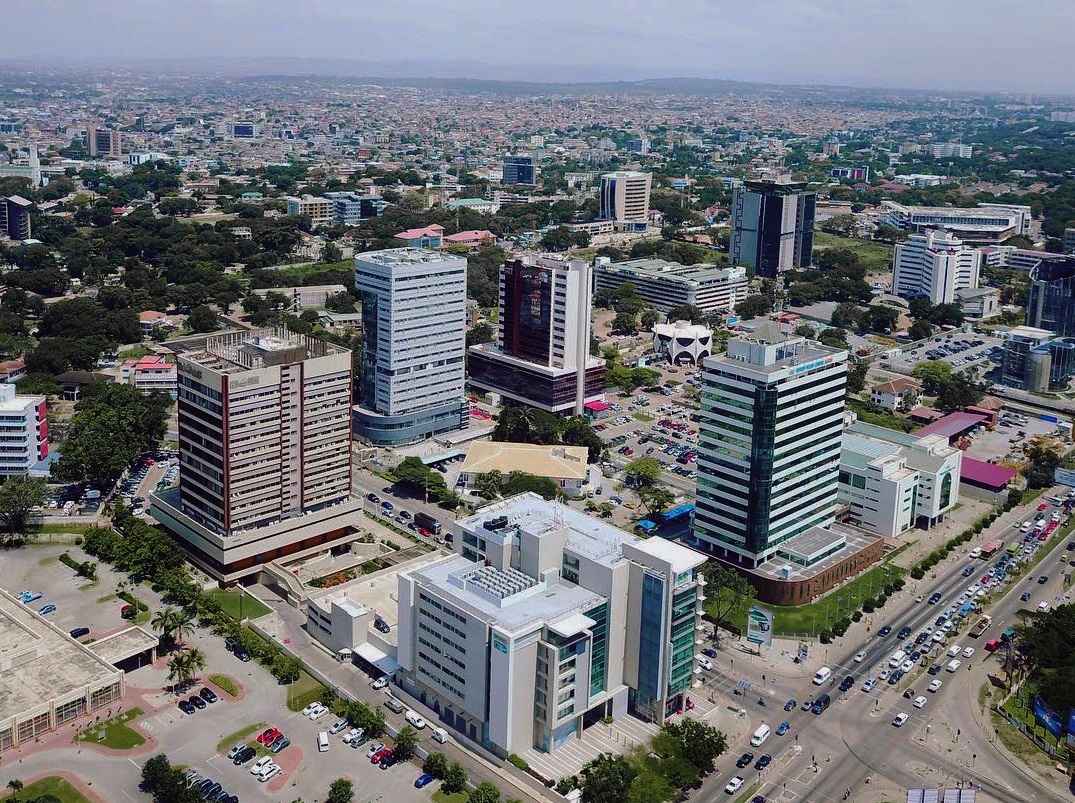
Accra, the capital city, has experienced significant inflation over the last few years. Rent for a furnished apartment in upmarket areas like East Legon, Airport Residential, or Cantonments can rival what you would pay in mid-tier cities in the UK or US. The further you move from central Accra, or the further you travel to cities like Kumasi, Tamale, or Cape Coast, the more your money stretches.
That said, for most diaspora returnees arriving with foreign savings or income, Ghana remains very manageable. The key is knowing what drives costs up and planning accordingly.
Rent and Housing
Housing is usually the biggest expense for anyone relocating to Ghana. Here is a general picture of what to expect:
- A basic one-bedroom apartment in a mid-range Accra neighbourhood typically runs between GHS 1,500 and GHS 3,500 per month.
- A furnished two or three-bedroom house in a sought-after area can cost GHS 5,000 to GHS 15,000 or more per month.
- In cities outside Accra, these figures drop considerably.
One thing many returnees are caught off guard by is the practice of paying rent one or two years in advance in Ghana. This is common, particularly for unfurnished properties, and it requires significant upfront capital that many people do not factor into their relocation budget.
Property fraud is also a serious concern. Multiple sales of the same land, fraudulent title deeds, and predatory landlords are real risks for diasporans who do not have reliable contacts on the ground. This is an area where professional support makes a significant difference.
Need help finding and securing legitimate housing in Ghana? Diaspora Affairs Ghana’s Relocation and Transition Service provides rigorous due diligence and legal verification for land and housing, protecting you from fraud and ensuring your title is clean before you commit.
Food and Groceries
Food in Ghana can be very affordable if you eat locally. A plate of waakye, banku and tilapia, or jollof rice from a local chop bar will typically cost between GHS 30 and GHS 80. Street food is plentiful, fresh, and genuinely delicious.
The costs climb quickly once you start shopping at high-end supermarkets like Shoprite, Palace, or Marina Mall, where imported goods are priced comparably to what you would find in Europe. A family that relies heavily on imported brands can spend GHS 3,000 to GHS 6,000 or more on groceries per month.
Dining out follows the same pattern. A meal at a local restaurant might cost GHS 80 to GHS 200, while an evening out at an upscale spot in Accra can easily run GHS 500 to GHS 1,500 per person with drinks.
Transport
Public transport in Ghana, including trotros (minibuses) and shared taxis, is extremely affordable. A typical trotro ride within Accra costs less than GHS 10. However, Accra’s traffic is notorious, and many returnees choose to rent or buy a car, which changes the cost calculation significantly.
Ride-hailing apps like Bolt and Uber operate in Accra and are reasonably priced by Western standards. Fuel costs fluctuate, but owning a vehicle adds the ongoing expenses of fuel, maintenance, and insurance to your monthly budget.
Utilities and Internet
Electricity and water bills vary depending on usage and location. Frequent power outages (locally known as dumsor) mean many households rely on generators or inverters, which add to monthly costs. Budget between GHS 500 and GHS 2,000 per month for utilities depending on your lifestyle and whether you have a backup power system.
Internet connectivity has improved considerably in recent years. Monthly fibre broadband packages from providers like Surfline or StarTimes range from around GHS 300 to GHS 800 depending on speed. Mobile data is widely available and affordable for everyday use.
Healthcare
Public hospitals exist across Ghana, but many returnees and expats prefer private healthcare facilities, which offer shorter waiting times and more consistent quality. A consultation at a reputable private clinic in Accra typically costs between GHS 200 and GHS 600. Private health insurance is available and strongly recommended, with premiums varying based on coverage and provider.
Education
If you are relocating with children, schooling is a significant budget line. International schools and high-end private schools in Accra charge annual fees that can range from GHS 20,000 to GHS 80,000 per child or more. Local private schools are considerably more affordable, while public schools are very low cost but vary widely in quality.
What Is a Comfortable Monthly Budget in Ghana?
To give you a rough sense of ranges:
- A frugal single person living locally can manage on GHS 3,000 to GHS 5,000 per month.
- A returnee maintaining a mid-range lifestyle in Accra should expect to spend GHS 8,000 to GHS 15,000 per month.
- A family in a comfortable expat-style lifestyle, including private school and a car, could easily spend GHS 25,000 to GHS 50,000 or more per month.
The Ghanaian cedi has also experienced significant depreciation against major currencies in recent years, which means your foreign savings or income goes further in practical terms, but also that local prices can shift quickly if the exchange rate moves.
Planning a Visit Before You Commit to Relocating?
Many people choose to visit Ghana first before committing to a full relocation, which is a smart approach. If you are traveling from a country without a Ghanaian embassy or consulate, or if you need to travel at short notice, Ghana offers a Visa on Arrival option at Kotoka International Airport.
It is important to understand that the Ghana Immigration Service requires pre-approval before you travel. Without this, you risk being denied boarding or facing delays at immigration. The pre-approval process involves verified host facilitation, which can be a confusing requirement to navigate on your own.
Diaspora Affairs Ghana handles the full Visa on Arrival pre-approval process on your behalf. From document verification to coordinating with immigration authorities, we make sure everything is in order before you fly. Visit our Ghana Visa on Arrival page to get started.
The Hidden Costs of Relocating to Ghana
Beyond the day-to-day expenses, many diasporans are surprised by the costs and complexities that come with the actual move itself. Shipping personal belongings and household goods to Ghana can be expensive, and without proper oversight the process is prone to hidden port charges and clearance delays that can run into thousands of dollars.
Business registration and tax compliance are also areas where many returnees run into trouble. If you are planning to start a business or operate professionally in Ghana, navigating the regulatory environment without local expertise can lead to costly mistakes and legal exposure.
And then there is the social and cultural adjustment. Even for Ghanaians returning after years abroad, the process of re-integrating into daily life, building a reliable local network, and navigating administrative systems can be disorienting and time-consuming.
This is exactly what Diaspora Affairs Ghana’s Legal Integration and Stay Security service is designed to address. From resident permits to legal compliance and community connections, we help you build a stable, secure foundation in Ghana. Learn more on our Stay Secure in Ghana page.
So, Is Ghana Worth It?
For most diaspora returnees and expats, the answer is yes, but only if you go in prepared. Ghana offers a quality of life that is genuinely hard to find elsewhere: a warm and welcoming culture, a growing economy with real opportunities, a relatively stable political environment, and a deep sense of community and belonging that many diasporans have been searching for.
The people who struggle are almost always the ones who underestimated the logistical complexity, moved without proper support, or were caught off guard by costs they had not accounted for. The people who thrive are those who planned carefully, moved with their eyes open, and had the right people in their corner.
Ghana is not just a destination. For many in the diaspora, it is a homecoming. Let us help you make it a successful one.