

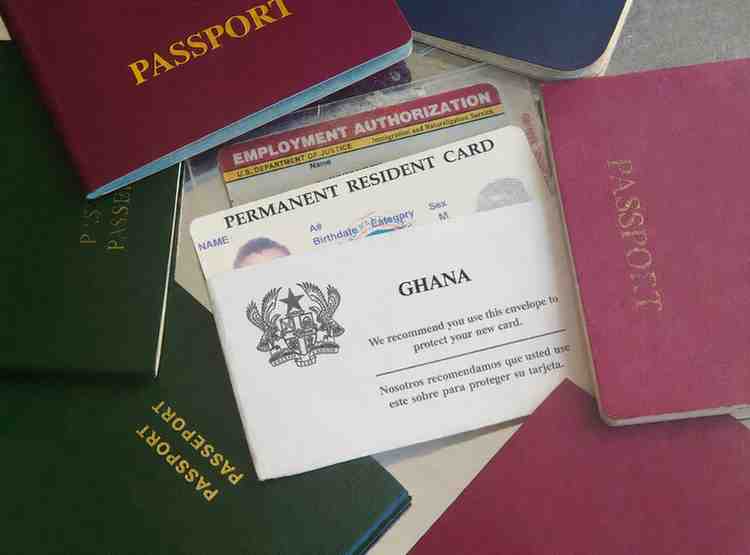
Settling into life in Ghana long-term is different from the first few months after arrival. Once the move itself is behind you, the focus shifts to keeping your status, documents, and support systems current so daily life runs smoothly. This guide covers what established residents often overlook: renewing your immigration status on time, keeping your Ghana Card and other documents valid, converting or renewing your driving licence, maintaining health cover, managing money across two countries, and staying compliant with tax. Treat it as a maintenance checklist for a life you have already built, not a one-time setup guide.
Keep Your Immigration Status Current
- Know your permit’s expiry date and apply for renewal within the window the Ghana Immigration Service sets, generally before the permit lapses.
- If you want to stay indefinitely, ask the Ghana Immigration Service what is required for Indefinite Residence Status.
- If you have Ghanaian ancestry or are a person of African descent, ask about the Right of Abode, which offers a longer-term status than a standard residence permit.
- Keep digital and physical copies of every permit, approval letter, and receipt, and store them somewhere you can access quickly if asked.
Documents Every Long-Term Resident Should Have
- A valid Non-Citizen Ghana Card, since many services now require it, including banking, SIM registration, and some health services. Ask the National Identification Authority what applies to your situation and how to renew it when it expires.
- A Taxpayer Identification Number if you earn income in Ghana or own property.
- Up-to-date proof of address, such as a utility bill or tenancy agreement, since many institutions ask for this.
- Certified copies of your passport, marriage certificate, and any dependents’ documents, stored securely and shared with a trusted contact.
Driving in Ghana Long Term
An international driving permit is generally only valid for a limited period after you arrive, so long-term residents need a Ghanaian driving license.
- Convert your foreign license at the Driver and Vehicle Licensing Authority rather than waiting until your international permit expires.
- Bring your original foreign license, passport, Non-Citizen Ghana Card, and any required medical or eye test results.
- Renew your Ghanaian license on schedule once converted, since driving on an expired license can affect insurance claims after an accident.
Healthcare and Insurance for the Long Haul
- Register with the National Health Insurance Scheme if you qualify, and ask the National Health Insurance Authority what applies to long-term non-citizen residents.
- Keep private or international health insurance in place for the services the national scheme does not cover.
- Build a relationship with a regular clinic or hospital rather than only visiting for emergencies, so your medical history is on file.
- Review your cover every year, since needs and available plans change.
Banking and Money Management
- Keep your Ghanaian bank account details current and update your bank whenever your permit, Ghana card, or address changes.
- Review how you move money between Ghana and your home country periodically, since fees and exchange rates shift.
- Ask your bank directly about any rules that apply to foreign currency accounts held by long-term residents.
- Keep a simple annual record of income, transfers, and major purchases, which makes tax filing in either country easier.
Housing as a Long-Term Resident
- Keep your tenancy agreement or title documents up to date, and renew leases in writing rather than on a verbal understanding.
- If you eventually buy property, follow a proper due diligence process rather than relying on how long you have lived in the area.
- Budget for maintenance and periodic repairs, which are easy to underestimate when you first arrive.
- Review your home’s security and backup power or water arrangements as part of routine upkeep, not only after a problem.
Staying Compliant With Tax
- Register with the Ghana Revenue Authority if you earn income locally, and file on the schedule they require.
- If you are a US citizen, continue filing US returns and any required foreign account disclosures, since citizenship-based taxation does not end when you move.
- Ask a qualified accountant in Ghana and one in your home country how the two systems interact, especially if your income sources change over time.
- Keep records for at least the period either the tax authority requires or in case of a future query.
Building a Life, Not Just a Stay
Long-term living goes beyond paperwork. Many residents find that the second or third year is when real belonging starts, through steady routines, local friendships, and involvement in community life. Stay connected with other diaspora members and with Ghanaian neighbors and colleagues, since both perspectives help you navigate day-to-day life and bigger decisions like schooling, healthcare, or property.
A Long-Term Living Checklist
- Immigration status renewal date known and diarised
- Non-Citizen Ghana Card valid and renewed on schedule
- Driving license converted and kept current
- Health insurance reviewed in the last twelve months
- Bank details updated after any change of permit or address
- Tax filings current in Ghana and, where applicable, your home country
- Tenancy or property documents in order
- Community and support network active
How Diaspora Affairs Ghana Can Support You
Long-term residents sometimes fall through the cracks because the urgency of a fresh arrival has passed, but renewals and reviews still matter. DAGh’s Sankofa Settled level is built for members already living in Ghana, offering ongoing guidance and community for people managing exactly this kind of long-term upkeep. You can look into membership support for established residents to see what Sankofa Settled includes. Membership is a support service. It does not replace official renewals, applications, or professional advice, and DAGh cannot guarantee any government outcome.
Frequently Asked Questions
How often do I need to renew my residence permit?
It depends on the permit type and the duration granted, often up to four years at a time with options to renew. Check your specific permit’s expiry date and confirm renewal requirements with the Ghana Immigration Service well before it lapses.
Do I need a Non-Citizen Ghana Card if I already have a residence permit?
Generally yes. The Ghana Immigration Service has required proof of Non-Citizen Ghana Card registration alongside residence permits, and many everyday services now ask for the card directly.
Can I keep driving on an international permit indefinitely?
No. International driving permits are only valid for a limited period after arrival. Long-term residents should convert to a Ghanaian driving licence at the DVLA.
Will the National Health Insurance Scheme cover me as a long-term resident?
Coverage depends on your residency status and registration. Check current eligibility with the National Health Insurance Authority, and consider keeping private or international cover for anything the scheme does not include.
Do I still need to file taxes in my home country while living in Ghana long-term?
For US citizens, generally yes, since US tax obligations are based on citizenship rather than residence. Other countries vary, so confirm your specific position with a qualified tax professional in both countries.
What happens if my documents lapse while I am travelling?
Lapsed documents can create real problems, including fines, difficulty re-entering Ghana, or trouble accessing services. Diarise renewal dates well in advance, and if a lapse happens, contact the Ghana Immigration Service as soon as possible rather than waiting.
Official Sources to Check Before You Act
- National Identification Authority: Non-Citizen Ghana Card registration. Date checked: 1 October 2026
- Ghana Immigration Service: indefinite residence status, right of abode. Date checked: 1 October 2026
- Driver and Vehicle Licensing Authority: converting a foreign driving license. Date checked: 1 October 2026
- National Health Insurance Authority: health insurance scheme. Date checked: 1 October 2026
- Ghana Revenue Authority: taxpayer registration and filing. Date checked: 1 October 2026